
Quick Answer: No, finasteride does not stop hair loss forever. It works by blocking DHT and can stop or slow hair loss progression for years, but its effectiveness gradually declines over time, and hair loss typically resumes if the medication is stopped.
Hair fall is a concern for millions of people worldwide. Among the various treatments available, Finasteride has gained significant attention. It is a widely used medication to treat hair loss, but what can you truly expect from it? Let’s dive deep into how Finasteride works, its limitations, and whether it’s the right solution for your hair loss problems. Many people wonder if Finasteride stop hair loss effectively and safely.
One of the most common questions people ask is whether finasteride can stop hair loss for good. The short answer is no; while it can significantly slow hair loss and stabilize it for many individuals, it’s not a permanent cure.
What is Finasteride and How Does It Work?
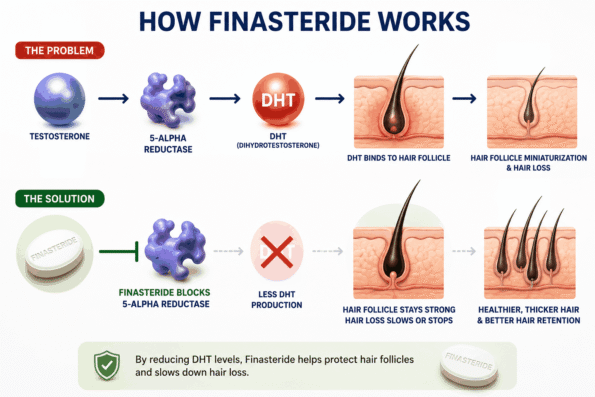
Finasteride is an FDA-approved medication primarily used to treat androgenetic alopecia, commonly known as male or female pattern baldness. It works by inhibiting the 5-alpha-reductase enzyme, which converts testosterone into dihydrotestosterone (DHT).
Elevated levels of DHT are known to shrink hair follicles, leading to thinning hair and eventual hair loss. By reducing DHT levels, Finasteride helps slow down or halt the hair follicle miniaturization process.
Does Finasteride Stop Hair Loss Forever?
he simple answer is no. Finasteride can effectively slow down hair loss and help maintain existing hair, but it is not a permanent cure. Its benefits last only while you continue taking the medication. If you stop treatment, hair loss typically resumes over time.
According to long-term clinical trial data published by Kaufman et al. in the Journal of the American Academy of Dermatology, 83% of men with vertex (crown) hair loss showed no further hair loss after 2 years of finasteride treatment, and 70% of men with frontal hair loss showed no further progression after 1 year.
A separate 5-year follow-up study by the Finasteride Male Pattern Hair Loss Study Group found that finasteride reduced the relative risk of further visible hair loss by 93% compared to placebo over 5 years.
This decline in visible progression is a strong result, but it’s not the same as stopping hair loss permanently. The underlying process (genetic predisposition, DHT sensitivity) continues, which is why finasteride does not stop hair loss permanently on its own. It requires continuous use, and stopping it typically causes hair loss to resume within months.
What Happens If You Stop Taking Finasteride?
One of the most common concerns is what happens after stopping Finasteride. Since the medication only works while it’s being taken, discontinuing treatment allows DHT levels to gradually return to normal. As a result, the hair follicles once again become vulnerable to DHT, and hair loss typically resumes within 3 to 12 months.
Any hair that was preserved or regrown during treatment may gradually shed over time. Although the exact timeline varies from person to person, most dermatologists recommend continuing Finasteride long-term if you want to maintain your results. If you’re considering stopping the medication due to side effects or other concerns, speak with your doctor before making any changes to your treatment plan.
Can Finasteride Regrow Hair in Bald Spots?
While Finasteride can encourage some regrowth, especially in areas where hair is thinning, it is less likely to regrow hair in completely bald spots. Its primary function is to prevent further hair loss and maintain existing hair.
If you are dealing with significant baldness, additional treatments like hair restoration procedures or therapies such as PRP (Platelet-Rich Plasma) may be more effective. So does finasteride regrow hair permanently in bald areas? Not reliably; it’s better understood as a maintenance treatment than a regrowth solution once an area is fully bald. For permanent, visible regrowth in bald patches, a hair transplant is generally the more dependable option.
Does Finasteride Stop Hair Loss Immediately?
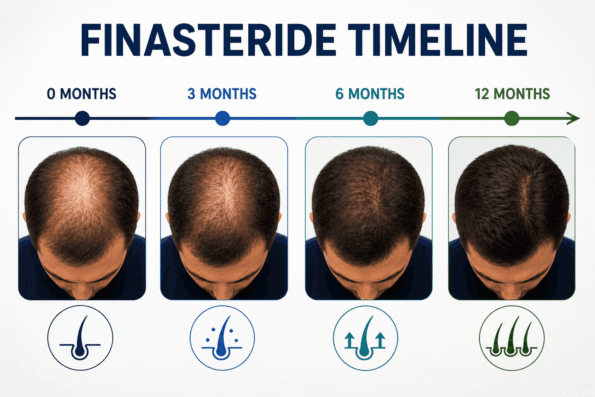
It’s important to understand that Finasteride does not work overnight. “Does Finasteride stop hair loss immediately?” is a question many new users ask, but the reality is different. It usually takes three to six months to see noticeable results. Hair growth is a slow process, and Finasteride needs time to reduce DHT levels and stabilize the hair loss process. Consistency in taking the medication is crucial for achieving the desired outcome.
What About Finasteride for Hair Loss in Females?
While Finasteride is predominantly prescribed for men, it is sometimes used for hair loss in females as well, especially in cases of androgenetic alopecia. However, it’s important to note that Finasteride is not FDA-approved for use in women, and it is generally not recommended for pregnant or breastfeeding women due to potential risks to the fetus. Women considering Finasteride should consult a medical professional to weigh the benefits and risks carefully.
Why Does Finasteride’s Effectiveness Decrease Over Time?
Studies show a gradual decline in Finasteride’s effectiveness over the years. This is exactly what people mean when they ask “does finasteride stop working over time” — it doesn’t stop working outright, but its protective effect gradually weakens for some users. This is not because the drug stops working, but because hair loss is a complex condition influenced by multiple factors, including genetics and inflammation.
While Finasteride targets DHT, it doesn’t address all aspects of hair loss, such as the inflammatory processes observed in androgenetic alopecia. This underscores the importance of combining Finasteride with other treatments to achieve better results.
Potential Side Effects of Finasteride
Like any medication, Finasteride comes with potential side effects. Some of the most commonly reported Finasteride side effects include:
- Decreased libido or sexual function.
- Erectile dysfunction.
- Breast tenderness or enlargement.
- Mood changes, such as depression.
- Allergic reactions like rash or swelling.
While these side effects are relatively rare and often resolve after discontinuation, it’s crucial to discuss them with your doctor before starting the medication.
Using Finasteride with Other Treatments
Given its limitations, Finasteride is often used in combination with other therapies to enhance results. Some options include:
- Minoxidil: A topical treatment that stimulates hair growth.
- PRP Therapy: Uses your own plasma to promote hair regrowth.
- Low-Level Laser Therapy (LLLT): Encourages hair follicle activity.
- Hair Restoration Procedures: For advanced hair loss or bald spots.
A holistic approach can address various aspects of hair loss and provide better outcomes.
The Importance of Realistic Expectations
While Finasteride can significantly slow hair loss and, in some cases, promote regrowth, it’s essential to have realistic expectations. It’s not a cure, and individual results vary. Understanding that hair loss is a progressive condition and being open to additional treatments will help you create a sustainable hair care plan.
Medical Reviewer’s Note:
Finasteride is a well-studied treatment, but patients should understand it manages hair loss rather than curing it, long-term consistency and realistic expectations matter. Dr. Pankaj Khunt
Conclusion and Next Steps
Finasteride is a powerful tool in managing hair loss, particularly for individuals experiencing androgenetic alopecia. While it doesn’t stop hair loss forever, it can slow the process and stabilize hair for many years. However, its limitations and potential side effects make it essential to consult a qualified professional before starting the treatment.
If you’re seeking comprehensive solutions for hair loss, visit Hairfree & Hairgrow Clinic. As a leading clinic in India, they offer advanced treatments tailored to your needs. Take the first step towards healthier, fuller hair by consulting with their expert team today!
Frequently Asked Questions
-
1. Does finasteride stop hair loss immediately?
No. It typically takes 3–6 months of consistent daily use to see visible stabilization of hair loss.
-
2. Will finasteride stop hair loss permanently?
No. Clinical results are strong (up to 93% reduction in relative risk of further hair loss over 5 years), but they depend on continued use; stopping the medication typically causes hair loss to resume within a few months.
-
3. Does finasteride stop working over time?
It doesn't stop working, but its effectiveness can gradually decrease over the years for some users, as other contributing factors like genetics and inflammation continue to affect hair loss.
-
4. Does finasteride regrow hair permanently?
It's less effective at regrowing hair in fully bald areas. It works best at slowing loss and supporting existing, thinning hair rather than permanently regrowing hair in bald spots.
-
5. Can finasteride stop hair loss on its own?
In many cases, it can meaningfully slow or stop the progression of hair loss on its own, but combining it with treatments like minoxidil or PRP therapy generally gives better, more complete results.