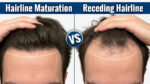

Yes, insulin resistance can cause hair loss through several mechanisms, including damage to blood vessels that reduces blood flow to hair follicles, hormonal imbalances, and inflammation.
Other patients ask, Does insulin resistance cause hair loss, and a growing number of patients report persistent hair thinning that does not respond to routine hair care or basic medical treatment. Many of these cases are linked to insulin resistance and hair loss, an often-overlooked metabolic factor that affects the hair growth cycle.
Insulin resistance influences hormones, circulation and scalp function, all of which impact follicle strength. Hairfree and Hairgrow evaluate metabolic factors in every patient to identify the root causes behind unexplained hair decline.
How Insulin Resistance Disrupts Hair Physiology
Before finding the answer, does insulin resistance cause hair loss we must first know that Insulin resistance occurs when cells stop responding effectively to insulin. This forces the pancreas to produce more insulin to maintain normal blood sugar levels. Over time, the body experiences hormonal imbalance, chronic inflammation, reduced microcirculation and nutritional disruption.
These combined mechanisms weaken the hair growth cycle and contribute significantly to insulin-resistant hair loss in both men and women.
Medical research published in the Journal of Dermatology confirms that long term insulin resistance shortens the anagen phase, causing premature transition of hair into the shedding phase. This explains why insulin-resistant hair loss often appears simultaneously during early metabolic changes.
Early Signs Patients Commonly Notice
The early stages of insulin hair loss are subtle. Patients often report a gradual decrease in density rather than sudden patches. Common patterns include:
- Reduced volume in the frontal region
- Visible thinning in temples
- Increased hair on pillows and shower drains
- Slower regrowth after normal shedding
- Loss of hair thickness over time
This pattern aligns closely with insulin resistance hair thinning, where follicles become sensitive to hormonal fluctuation and blood flow reduction.
The Role of Metabolic Syndrome in Follicle Decline
Metabolic syndrome is a group of conditions involving abdominal fat, elevated blood pressure, abnormal cholesterol and poor blood sugar control. These factors collectively amplify the risk of insulin hair loss.
Published data in the Indian Journal of Endocrinology and Metabolism highlights that metabolic syndrome hair loss is significantly more common among individuals with chronic insulin abnormalities. The syndrome increases oxidative stress and enhances inflammatory mediators that impair follicle cycling.
How High Insulin Levels Influence Hair Shedding
When insulin remains chronically elevated, it affects androgen pathways, increases scalp sensitivity to DHT and accelerates miniaturization. This mechanism is responsible for high insulin levels hair shedding, where hair repeatedly enters the resting phase earlier than expected.
Patients often present with:
- Excessive shedding during combing
- Decreased mid-scalp density
- Poor hairline retention
- Delayed regrowth after seasonal shedding
These symptoms directly reflect metabolic stress placed on follicles.
Scalp Changes Linked to Insulin Resistance
Insulin resistance does not affect only the hormonal pathway. It also alters skin physiology and sebaceous activity. This combination of symptoms is commonly grouped under insulin resistance scalp issues. Patients may report:
- Excess oiliness or a greasy scalp
- Increased dandruff or flaking
- Inflammation around follicles
- Burning or itching sensation
- Reduced blood flow in the dermal layers
These scalp changes weaken follicular roots and contribute to progressive insulin resistance and loss of hair.
Why Hair Loss Can Appear Before Diabetes
One of the most important clinical observations is that insulin resistance and hair loss may appear years before a diabetes diagnosis. Research from the American Diabetes Association notes that metabolic imbalance begins long before fasting glucose rises.
Hair follicles are extremely sensitive to vascular and hormonal changes. This makes diabetes related hair loss a later stage of the same metabolic process. Early hair changes often serve as warning signs for underlying insulin dysfunction.
Hormonal Disruption Affecting Hair Health
Insulin resistance alters how the body processes androgens. High insulin stimulates ovarian and adrenal androgen production. Increased androgen levels cause follicle shrinkage and alter hair cycling.
For women with polycystic tendencies and men with genetic susceptibility, this interaction accelerates insulin resistance and loss of hair. Hairfree and Hairgrow physicians evaluate hormonal profiles to identify whether androgen imbalance is a contributing factor.
Nutritional Disturbances Caused by Insulin Resistance
Insulin resistance disrupts absorption of several key nutrients required for strong hair growth including vitamin D, iron, zinc and B vitamins. Deficiency of these nutrients further weakens follicles and intensifies insulin resistance and hair loss.
Clinical nutritional assessments show that more than 60 percent of individuals with an insulin imbalance have at least one nutrient deficiency affecting hair health. Addressing these deficiencies often improves hair strength and slows progression.
Confirmed Scientific Evidence Supporting the Link
Multiple peer-reviewed research studies provide strong evidence linking metabolic imbalance to hair decline. A 2022 study from the Journal of Investigative Dermatology reported that individuals with insulin resistance experienced stronger patterns of thinning across frontal and temporal regions.
Another study from the Journal of Clinical Endocrinology observed accelerated miniaturization in women with insulin abnormalities. These findings reinforce that insulin resistance and hair loss share a clear mechanistic connection.


Clinical Management for Metabolic Hair Loss
Treatment begins by correcting the underlying metabolic condition. Key steps recommended by endocrinology experts include:
- Diet with reduced refined carbohydrates
- Structured physical activity
- Weight management
- Improvement of insulin sensitivity
- Medical therapy when required
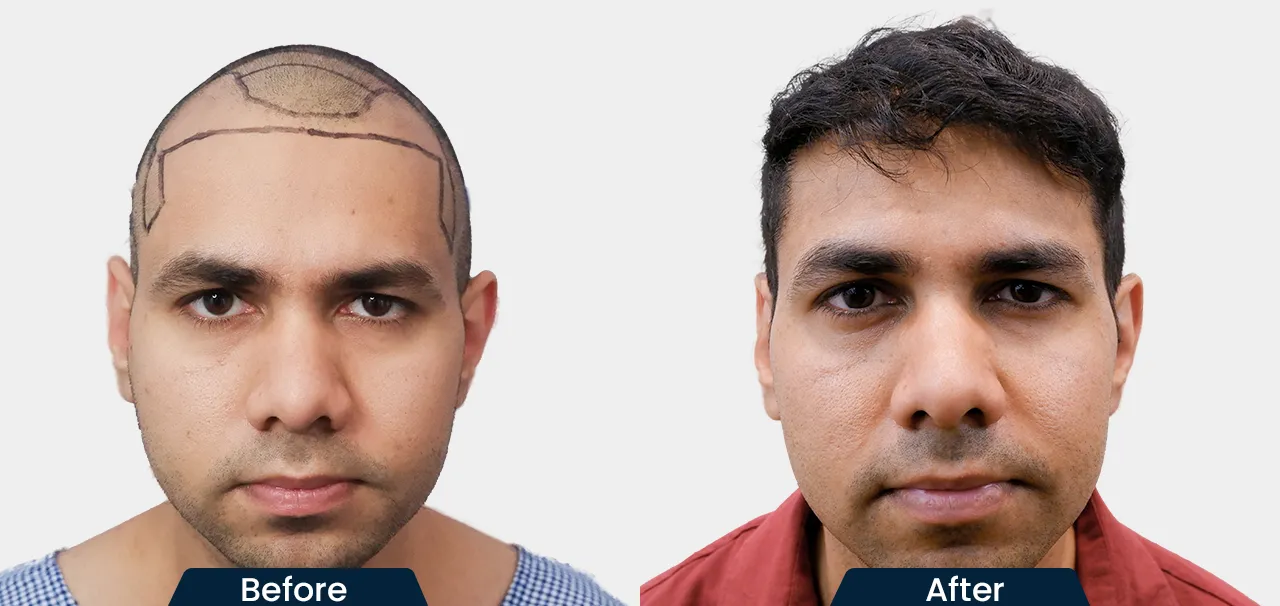
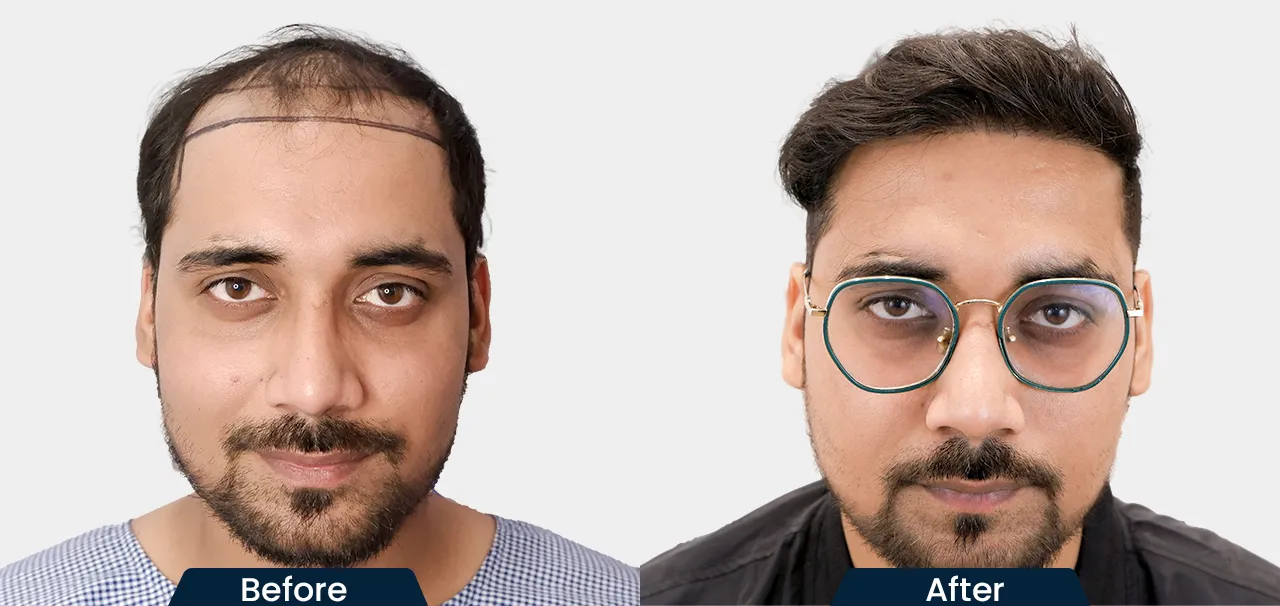
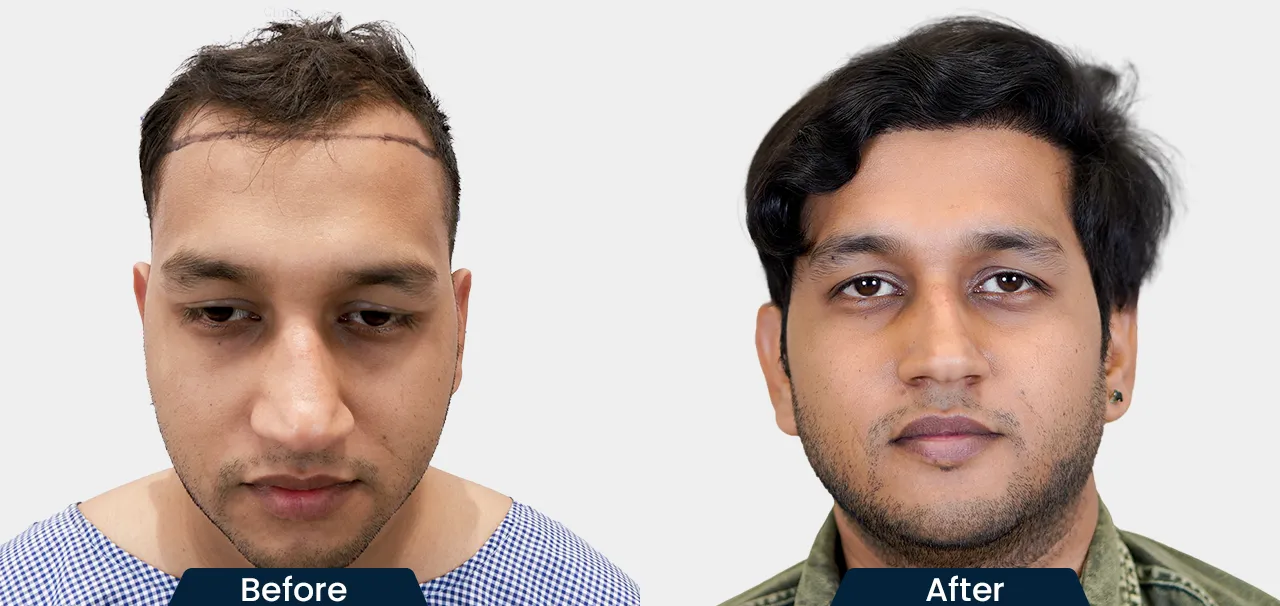
Once metabolic balance stabilizes, Hairfree and Hairgrow use targeted treatments such as medical lotions, oral medication, nutritional correction and clinical scalp therapies to restore hair function. In cases of long-standing miniaturization, FUE transplant may be advised for permanent restoration.
When Surgical Restoration Becomes Necessary
In advanced cases of insulin resistance and hair loss, follicles may become permanently miniaturized. When this happens, even optimal medical therapy may not fully restore density. FUE transplantation becomes a suitable option once metabolic health is controlled and the donor region is stable.
Hairfree and Hairgrow specializes in transplant procedures for patients with metabolism-driven thinning, ensuring medical safety, controlled graft planning and natural outcomes.
Practical Steps for Early Detection
Patients experiencing unexplained shedding should undergo:
- Fasting insulin test
- Glucose tolerance evaluation
- Thyroid testing
- Vitamin and mineral assessment
- Scalp examination and dermoscopy
- Lifestyle analysis
Early intervention significantly reduces the progression of insulin resistance and hair loss.
Conclusion
Insulin resistance plays a major role in progressive hair thinning and scalp changes. Because follicles react quickly to metabolic shifts, hair loss often appears before major symptoms of insulin imbalance. Early detection and medical evaluation are essential for preventing long term damage.
So, if you are wondering that does insulin resistance cause hair loss, then Hairfree and Hairgrow provide specialized metabolic assessment, clinical therapies and surgical solutions for individuals experiencing insulin resistance and hair loss, helping them regain stability and confidence.
FAQs
1. Can insulin resistance really cause hair loss?
Yes. Insulin resistance increases androgen activity, reduces blood flow to hair follicles, and disrupts the normal growth cycle, which can directly trigger thinning and shedding.
2. What are the signs of hair loss caused by insulin resistance?
Common signs include diffuse thinning, increased shedding, slow regrowth, and hair miniaturization—often along with symptoms like fatigue, weight gain, or dark patches on the skin.
3. Can reversing insulin resistance stop hair loss?
In many cases, yes. Improving insulin sensitivity through diet, exercise, and medical treatment can reduce inflammation and hormonal imbalance, helping hair regrow over time.
4. Do medications for insulin resistance help with hair growth?
Medications like metformin can improve metabolic balance, but hair improvement usually depends on a combination of lifestyle changes, controlled blood sugar, and targeted hair treatments.
5. Is insulin-resistance–related hair loss permanent?
Not usually. If detected early and managed properly, follicles often recover. However, long-term uncontrolled insulin resistance can lead to lasting follicular damage.