

Quick Answer:
Hair fall is most commonly caused by genetics (androgenetic alopecia), hormonal changes, nutritional deficiencies (iron, Vitamin D, B12), stress-related shedding (telogen effluvium), and scalp conditions.
Every day, thousands of people search “what causes hair loss” and most of them wait months before taking action. Whether you are noticing extra hair on your pillow, a wider parting line, or thinning at the crown, understanding the causes of hair fall early can make the difference between simple treatment and complex intervention.
We often say that delay is okay, except in a job or in serious cases. Delaying has slowly crept into us because we have been told to take it easy and relax, but going against the grain and doing things right now is what can make you perfect and beautiful.
Just take the case of hair, you notice some hair fall or dandruff, you panic and talk to the people close or near you. Understanding the causes of hair fall can help prevent further hair loss and improve hair health.
What they say can be recorded in these stock replies:
- Hair Fall is natural, you lose hair every day and they regrow.
- Don’t panic you are just overthinking it!
- Oh, it isn’t a lot you are just imagining it. Doctors will just give you expensive medicine for it.
- Just use this (or that) oil or shampoo. This will solve everything and you will see results soon.
All of these replies cause you to delay visiting a Trichologist and a Dermatologist for the issue.
Understanding Hair Fall
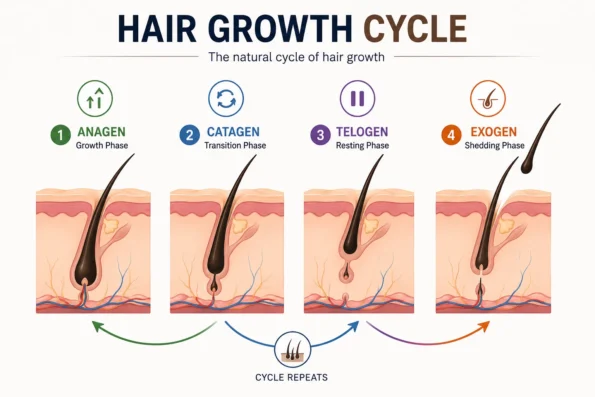
Hair fall is when you start losing more hair than usual from your head. It’s totally normal to lose some hair every day because new hair grows to replace the old ones. But when you’re losing a lot of hair and it’s not growing back as fast, that’s when it becomes a concern.
There are many reasons for hair fall. Sometimes, it’s just a part of the natural hair growth cycle. Other times, it can be caused by things like stress, poor diet, not taking care of your hair, or even some medical conditions.
According to Mayo Clinic, hair loss can result from heredity, hormonal changes, medical conditions, or medications — and in many cases, the underlying cause is treatable when identified early.
The American Academy of Dermatology similarly notes that androgenetic alopecia alone accounts for the majority of hair loss cases worldwide, affecting an estimated 50% of men and 50% of women at some point in their lives.
Taking good care of your hair, eating a healthy diet with plenty of vitamins and minerals, and managing stress can help reduce hair fall. If you’re really worried about it, it’s a good idea to see hair doctor or a dermatologist (a skin and hair specialist) to figure out what might be causing it and how to treat it.
Signs Your Hair Fall Needs Attention
You should consider a scalp consultation if you notice:
- Consistently shedding more than 50–100 strands a day, not just on wash days
- A parting line that looks visibly wider than it did 6–12 months ago
- Thinning concentrated at the crown or temples rather than spread evenly
- Sudden patchy bald spots, which can indicate alopecia areata
- Hair loss that began within weeks of a fever, surgery, childbirth, or major stress event
- Increased hair breakage combined with a dry, flaky, or itchy scalp
None of these signs mean the damage is permanent, most are reversible when caught early. But they’re the difference between a simple diagnostic blood test today and a longer, costlier treatment path later.
How Many Hairs Falling Per Day Is Normal?
One of the most common questions people have is how much hair fall is actually too much?
On average, losing 50 to 100 strands per day is considered completely normal. Your scalp has approximately 1,00,000 hair follicles, and each strand goes through its own growth, rest, and shedding cycle. Some daily hair fall is just your scalp renewing itself.
However, you should be concerned if:
- You are losing more than 100–150 strands per day consistently
- You notice thinning at the crown, temples, or hairline
- Your parting line is becoming visibly wider
- Bald patches are appearing suddenly
- Hair loss started after a medical event, illness, or prolonged stress
Understanding how much is normal helps you recognize when a real hair loss reason is at play — and act before the damage becomes harder to reverse.
The Hair You’re Losing Today May Not Grow Back Tomorrow
Most people wait until thinning becomes visible. By then, recovery becomes harder and more expensive.
Common Causes of Hair Fall
1. Genetics (Heredity)
One of the primary reasons for hair fall is genetics. If your family has a history of hair loss, you are more likely to experience it too. This type of hair fall reason is called Androgenetic Alopecia, it is the most common answers to what causes hair loss in both men and women worldwide. It’s driven by the hormone DHT binding to genetically sensitive follicles, causing them to gradually shrink, a process explained in more detail in the men’s section below.
2. Hormonal Changes
Changes in hormones due to pregnancy, menopause, or thyroid issues can lead to hair loss. Hormonal imbalances can affect hair growth cycles and push more hair into the shedding phase simultaneously.
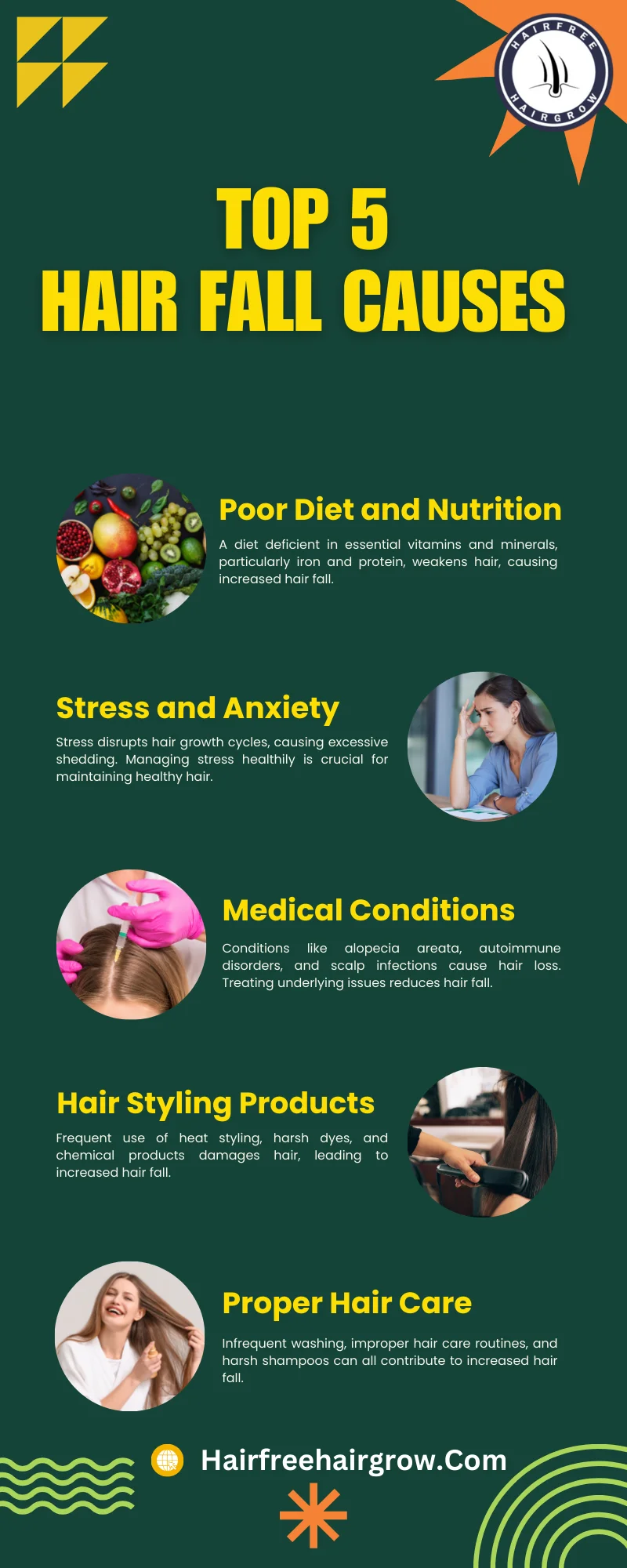
3. Poor Diet and Nutrition
A diet lacking essential vitamins and minerals, especially iron and protein, can weaken your hair, making it more prone to fall. Deficiencies in Vitamin D, Vitamin B12, Zinc, and Biotin are also well-known hair fall causes that are often overlooked.
4. Stress and Anxiety
Stress can disrupt the hair growth cycle and cause hair to shed more than usual. This condition, called Telogen Effluvium, is one of the most common hair fall reasons seen in young adults today. Finding healthy ways to manage stress is important for maintaining healthy hair.
5. Lifestyle Choices
Excessive smoking, alcohol consumption, and lack of physical activity can negatively impact hair health and contribute to hair fall. Poor sleep patterns and irregular routines also slow down the body’s ability to repair and regenerate hair follicles.
6. Medical Conditions
Certain medical conditions like alopecia areata, autoimmune disorders, PCOS, thyroid disorders, and scalp infections can lead to hair loss. Treating the underlying condition may help reduce hair fall significantly.
7. Overuse of Hair Styling Products
Excessive use of heat styling tools, harsh hair dyes, and chemical-laden hair products can damage the hair and lead to hair fall.
8. Tight Hairstyles and Hair Accessories
Pulling your hair tightly in hairstyles like ponytails or buns, or using tight hair accessories regularly, can cause stress on the hair follicles and result in a condition called Traction Alopecia — a preventable but often ignored cause of hair loss.
9. Ageing
As we age, the rate of hair growth slows down, and the hair becomes thinner and more susceptible to falling out. This is a natural process, but early intervention can help maintain hair density for longer.
10. Lack of Proper Hair Care
Not washing your hair regularly, improper hair care routines, and using harsh shampoos can contribute to hair fall. Scalp health is directly linked to hair health — a clean, nourished scalp supports stronger, healthier hair growth.
Oils & Shampoos Don’t Fix Hair Fall, Finding The Cause Does
Stress, hormones, genetics, vitamin deficiency… hair fall rarely has just one reason.
Causes at a Glance: Reversible vs. Needs Medical Management
| Cause | Typically Reversible? | Needs Medical Diagnosis? |
|---|---|---|
|
Telogen Effluvium (stress/illness)
|
Yes, usually within 3–6 months
|
Only if it persists beyond 6 months
|
|
Nutritional deficiency (iron, B12, D)
|
Yes, with correction + diet
|
Yes, blood test needed to confirm
|
|
Androgenetic Alopecia (genetic)
|
Manageable, not fully reversible |
Yes, for staging and treatment planning
|
|
PCOS / Thyroid-related
|
Yes, once hormone levels normalise
|
Yes, hormone panel required
|
|
Traction Alopecia (hairstyles)
|
Yes, if caught early
|
Only in advanced/scarring cases
|
|
Alopecia Areata (autoimmune)
|
Variable, treatable
|
Yes, urgently
|
Causes of Hair Fall in Females: What's Different?
While many hair fall reasons are common across genders, women face unique triggers that are often overlooked or dismissed. Hair loss in women is more emotionally distressing and less openly discussed, which is exactly why it gets delayed the most.
Key Causes of Hair Fall in Females
- PCOS (Polycystic Ovary Syndrome): PCOS leads to elevated androgens which cause hair follicles to shrink progressively. It is one of the leading causes of hair loss in women between the ages of 18–40 in India.
- Post-Pregnancy Hair Fall (Postpartum Telogen Effluvium): During pregnancy, elevated hormone levels keep hair from shedding naturally. After delivery, hormones drop rapidly, causing a sudden increase in shedding, typically 2–4 months after childbirth. This is temporary but can be alarming.
- Iron Deficiency Anaemia: Women are especially prone to low iron levels. Low ferritin (stored iron) is one of the most common and most missed hair fall causes in women. A simple blood test can confirm this within 24 hours.
- Thyroid Imbalance: Both hypothyroidism and hyperthyroidism affect the hair growth cycle. Hair thinning is often one of the first visible signs of a thyroid disorder in women, long before other symptoms appear.
- Birth Control Pills: Certain oral contraceptives with high androgen activity can trigger hair thinning. Switching to a different formulation under medical guidance often resolves this.
- Crash Dieting: Extreme low-calorie diets that lack protein, biotin, zinc, and vitamins D and B12 directly starve the hair follicles. Hair fall due to dieting typically appears 2–3 months after the nutritional drop.
If you are a woman experiencing hair fall, a basic blood test panel- CBC, ferritin, thyroid (TSH, T3, T4), Vitamin D, and B12, can often pinpoint the cause quickly. Visit our Female Hair Loss page to learn more.
Causes of Hair Loss in Men: Recognising the Pattern Early
For men, the single most common cause of hair loss is Androgenetic Alopecia, commonly called Male Pattern Baldness. It accounts for over 95% of hair loss cases in men and is driven by a combination of genetics and the hormone DHT (Dihydrotestosterone).
According to available data, approximately 50% of Indian men are projected to experience some degree of hair loss, with many cases beginning as early as their mid-20s.
How DHT Causes Hair Fall in Men
DHT binds to receptors in genetically sensitive hair follicles and causes them to miniaturise over time. The follicle produces progressively thinner, shorter hairs, until it eventually stops producing hair at all. This process is gradual but continuous, which is why early recognition matters.
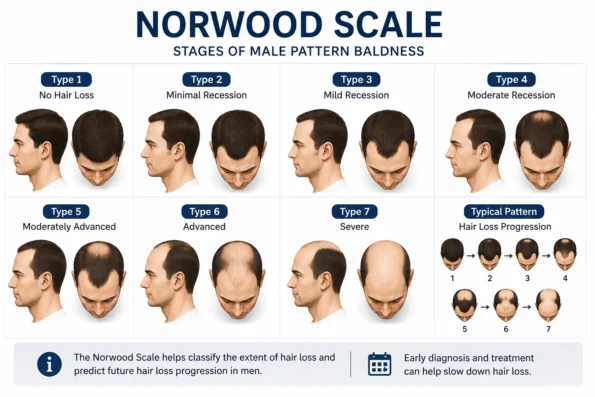
Identifying Your Stage (Norwood Scale):
| Stage | What You See |
|---|---|
|
Stage 1–2 |
Slight recession at temples, easy to miss |
|
Stage 3–4 |
Noticeable thinning at crown and temples |
|
Stage 5–6 |
Large bald patch at crown connecting to hairline |
|
Stage 7 |
Only a band of hair remains on the sides |
The earlier you identify your stage, the more options you have. Stages 1–4 respond well to non-surgical treatments like PRP Treatment and GFC Therapy. Advanced stages may benefit from a Hair Transplant.
Other common hair loss causes in men include stress-related Telogen Effluvium, scalp infections, and poor nutrition, all treatable when addressed early. Explore our Male Pattern Hair Loss page for a complete guide.
The Consequences of Delay
if you are thinking of delaying this can happen in various types of Hair loss cases:
1. In the case of Alopecia Areata where hair loss is sudden and in patches, the delay can cause Alopecia Totalis where the hair is completely lost from an area or Alopecia Universalis where hair from the entire body sheds in a small time. Both these advanced form of hair loss is nearly impossible to reverse.
2. Cicatricial Alopecia where there is scarring of the scalp and the hair loss happens due to inflammation of hair follicles and causes them to convert into scars, in this case, the delay can cause the system to attack more hair follicles resulting in a gradual increase in hair fall.
3. Telogen Effluvium is a type of hair fall which happens in Hair which is in the resting (Telogen) phase. Usually, about 15 to 20% of hair is in the resting phase and if it increases due to shock or fever the resulting hair loss can be for a short time. But if it is allowed to stay without visiting a doctor it can become chronic and lead to longer effects.
Similarly, other types of hair loss, if not diagnosed early and precisely, can lead t
Steps to Address Hair Fall
1. Maintain a Nutrient-Rich Diet
A balanced diet rich in essential nutrients like vitamins, minerals, and proteins is crucial for hair health. Incorporate foods like leafy greens, nuts, eggs, and fish into your daily meals to provide your hair with the nourishment it needs to stay strong and vibrant.
2. Regular Scalp Massages
Massaging your scalp increases blood circulation to the hair follicles, promoting hair growth. Use natural oils like coconut or almond oil and gently massage your scalp for a few minutes. This simple routine can significantly reduce hair fall and improve the overall health of your hair.
3. Choose the Right Hair Care Products
Opt for hair care products that are gentle and free from harsh chemicals. Look for shampoos and conditioners that suit your hair type and address specific hair concerns, such as hair fall or dandruff. Avoid excessive use of styling products that can damage your hair.
4. Stay Hydrated
Proper hydration is not only essential for your overall health but also for your hair. Drinking enough water keeps your hair and scalp moisturized, preventing dryness and breakage. Aim for at least 8-10 glasses of water per day to maintain optimal hydration levels.
5. Regular Exercise and Stress Management
Engage in regular physical activity to reduce stress levels and improve blood circulation. High-stress levels can contribute to hair fall, so incorporating activities like yoga, meditation, or even a simple daily walk can have a positive impact on your hair health.
6. Get Adequate Sleep
Quality sleep is crucial for your body to repair and rejuvenate, including your hair. Aim for 7-9 hours of uninterrupted sleep each night to ensure your body has sufficient time to heal and promote hair growth.
7. Contact Haircare Professional
If its natural hair falls, the doctor’s suggestion will calm you more than your friend’s or family’s reply, because it comes from a medical professional. If the hair fall in any way is a sign to an underlying condition then the doctor can start the treatment faster and the faster you catch the cause of hair fall, the lesser the damage.
Hair Fall can call into notice serious issues like autoimmune conditions in the case of Cicatricial Alopecia, psychological issues in the case of Trichotillomania.
Thus getting an opinion early is the best way to go. And it is very important to get a scalp examination half-yearly as we do for other parts of our body. This keeps one’s medical file updated and any hair issue can be pinpointed to a cause relatively easily.
Conclusion
Your hair asks care and we at HairFree & HairGrow provide it. Whatever your doubt we will resolve it. Our doctors diagnose the issues easily and perfectly and have a success of above 98% in Hair Transplant cases. So when you choose HFHG you choose more hair with longer life and better grade.
Our centers, located in Pune, Surat, Kolkata, Ahmedabad, Mumbai, Bhopal, Hyderabad & Gurugram You are Care Free while your hair grows and waves Freely!
If Hair Fall Has Started Affecting Your Confidence, Don’t Ignore It
People who act early usually get the best results. Waiting only gives hair loss more time to progress.
Frequently Asked Questions About Causes of Hair Fall
-
1. What causes hair loss suddenly?
Sudden hair loss is most commonly caused by Telogen Effluvium, triggered by high fever, surgery, extreme stress, crash dieting, or a hormonal shift. Alopecia Areata (patchy hair loss) is another sudden-onset condition that requires immediate medical attention.
-
2. What deficiency causes hair fall the most?
Iron deficiency (low ferritin) is the most common nutritional hair fall cause, especially in women. Deficiencies in Vitamin D, Vitamin B12, Zinc, and Protein are also frequently linked to hair thinning and shedding.
-
3. What are the main hair fall reasons in females?
The most common hair fall reasons in females include PCOS, post-pregnancy hormonal changes, thyroid imbalance, iron deficiency anaemia, crash dieting, and the use of certain oral contraceptives.
-
4. Can stress really cause hair loss?
Yes. Chronic or sudden stress pushes hair follicles into the resting phase early, a condition called Telogen Effluvium. Hair fall typically appears 2–3 months after the stressful event, which is why many people don't connect the two.
-
5. Is hair fall reversible?
Most types of hair fall are reversible when diagnosed and treated at the right time. Conditions like early-stage Androgenetic Alopecia, Telogen Effluvium, and nutritional deficiency-related hair loss respond well to treatment. Advanced scarring alopecia or late-stage genetic hair loss may require medical or surgical intervention.
-
6. How many strands of hair fall per day is normal?
Losing 50–100 strands daily is considered normal. Consistently losing more than this, noticing visible thinning, or finding patches of hair loss warrants a consultation with a trichologist.
-
7. What are the warning signs that hair fall is serious?
Sudden patchy loss, hair falling in clumps, a visibly widening part line, itching or burning on the scalp, or hair fall accompanied by fatigue and unexplained weight changes are all signs that require prompt medical evaluation.
-
8. Which doctor should I consult for hair fall?
A trichologist or dermatologist is the right specialist for diagnosing hair fall. They can run blood tests, examine your scalp, and identify whether the cause is hormonal, nutritional, genetic, or medical before recommending treatment.