

Are you planning a hair transplant because nothing else worked for your hair loss problem? If yes, then it’s very important to understand how hair transplantation actually works before taking the final step.
One of the most common questions patients ask is:
“How many hairs are there in 1 graft?”
People often hear terms like 1000 grafts hair transplant, 3000 grafts, or 4000 grafts, but they are confused about what a hair graft really means and how many hair strands it contains.
In this blog, we will explain how many hairs in one graft, what a hair graft is, how many grafts you may need, and how graft count affects your final results — all in simple, clear language.
What Exactly Is a Hair Graft?
Before we discuss numbers, it’s important to understand what a hair graft actually is. A hair graft is a small piece of tissue containing one or more hair follicles that is extracted from a donor area of your scalp. Think of it as nature’s own hair bundle – each graft is a complete unit with everything needed to grow healthy hair.
The donor area is typically the back and sides of your head, known as the occipital region. This area is chosen because the hair follicles here are genetically resistant to balding and continue growing throughout your lifetime. When these grafts are transplanted to thinning or bald areas, they retain this characteristic and continue growing naturally.
The Answer: How Many Hairs in One Graft?
Here’s where it gets interesting – there’s no single answer that applies to everyone. The number of hairs in one graft varies from person to person based on several factors including genetics, hair density, and natural hair growth patterns.
On average, one hair graft contains approximately 1.8 to 2.2 hairs. However, this is just an average. In reality, hair grafts can contain anywhere from 1 to 4 hairs, and in rare cases, even up to 6 hairs in a single graft.
Most hair transplant surgeons work with this general guideline: one graft typically contains 2 hairs. This helps in planning the procedure and setting realistic expectations for patients.
Why Does the Number of Hairs in One Graft Vary?
Your hair doesn’t grow uniformly across your scalp. If you look closely at your hair, you’ll notice that some follicular units have single hairs, while others have multiple hairs emerging from the same tiny spot. This natural variation is what makes each person’s hair unique.
Several factors influence hair graft composition:
- Genetics: This plays the primary role in determining how many hairs grow from each follicular unit. Some people are naturally blessed with denser hair growth, meaning more hairs per graft.
- Ethnicity: Different ethnic groups tend to have varying hair characteristics, including the number of hairs per follicular unit.
- Age: Younger individuals often have more hairs per graft compared to older adults, as hair density naturally decreases with age.
- Hair thickness: People with finer hair might have more hairs per graft to achieve the same visual density as someone with thicker hair strands.
Calculating Your Hair Transplant Needs
Understanding the graft-to-hair ratio helps you calculate how many hairs in one grafts you’ll actually receive during a transplant. Let’s break down some common transplant sizes:
1000-1500 Grafts
- Total hairs: 1,800-3,300
- Best for: Hairline touchups, temple points, small crown patches
- Coverage area: 25-40 cm²
- Cost range: ₹40,000-₹80,000 (India) | $2,500-$4,000 (US)
2000-2500 Grafts
- Total hairs: 3,600-5,500
- Best for: Receding hairlines, early-stage crown thinning
- Coverage area: 50-75 cm²
- Cost range: ₹80,000-₹1,25,000 (India) | $4,500-$7,000 (US)
3000-3500 Grafts
- Total hairs: 5,400-7,700
- Best for: Moderate balding, Norwood 3-4 pattern
- Coverage area: 80-110 cm²
- Cost range: ₹1,25,000-₹1,75,000 (India) | $7,500-$10,000 (US)
4000-5000 Grafts
- Total hairs: 7,200-11,000
- Best for: Advanced balding, Norwood 5-6 pattern
- Coverage area: 120-160 cm²
- Cost range: ₹1,75,000-₹2,50,000 (India) | $10,000-$15,000 (US)
Note: Prices vary significantly by clinic reputation, surgeon experience, and location.
These calculations assume the average of 1.8 to 2.2 hairs per graft, but your actual results may vary based on your individual hair characteristics.
How Many Grafts Does an Average Person Have?
Most people have between 6,000 to 8,000 usable grafts in their donor area. This might sound like a lot, but remember that not all of these can be harvested at once. Hair transplant surgeons must be strategic about graft extraction to maintain a natural appearance in the donor area.
The available grafts depend on your hair density, scalp elasticity, and the quality of your donor hair. Some fortunate individuals may have even more grafts available, while others might have fewer due to genetic factors or previous scarring.
Single Session vs. Multiple Sessions
Modern hair transplant techniques allow surgeons to transplant a significant number of grafts in one session. Typically, between 2,000 to 5,000 grafts can be safely transplanted in a single procedure. However, transplanting more than 5,000 grafts in one session is generally not recommended.
Why the limitation? Here are the key reasons:
- Graft viability concerns: Extended surgery time means grafts spend more time outside the body, reducing their survival rate and compromising results.
- Patient safety: Lengthy procedures increase physical stress and discomfort for patients, potentially leading to complications.
- Surgical team fatigue: Prolonged operations can affect the precision and quality of graft placement.
- Recovery challenges: Transplanting too many grafts at once can overwhelm the scalp’s healing capacity.
For extensive hair restoration requiring more than 5,000 grafts, multiple sessions are the better choice. This approach allows for better healing between procedures, higher graft survival rates (typically 90-95%), and the opportunity to assess results before proceeding with additional work.
Hair Transplant Techniques and Their Impact on Graft Survival
Different hair transplant methods affect how grafts are harvested and implanted:
- FUE (Follicular Unit Extraction): This involves removing individual grafts using a small punch tool. This technique typically allows for 2,000 to 4,000 grafts per session with minimal scarring. It’s ideal for patients who prefer shorter hairstyles and want to avoid linear scars.
- FUT (Follicular Unit Transplantation): This method removes a strip of scalp tissue, which is then divided into individual grafts. It can yield more grafts per session, sometimes up to 4,000 or more. While it leaves a linear scar, the donor area is easily concealed with longer hair.
- Direct Follicular Implantation: This is an advanced technique using a specialized implanter pen. It offers greater precision and reportedly achieves up to 97% graft survival rates, though the number of grafts per session may be similar to FUE. The technique allows for better control over angle and direction of hair growth.
What Makes a Healthy Hair Graft?
Not all grafts are created equal. A healthy hair graft should have several key characteristics:
- Intact follicles: The follicles must be undamaged during extraction to ensure proper growth after transplantation.
- Good surrounding tissue: Adequate tissue around the follicle provides protection and nourishment during the healing process.
- Proper blood supply potential: Grafts need to establish new blood connections quickly to survive in their new location.
- Minimal handling time: The shorter the time grafts spend outside the body, the higher their survival rate.
During your consultation, the surgeon will assess your donor area quality to determine how many viable grafts you have available. The success of your transplant depends heavily on graft quality. Even if you have numerous grafts available, their health and viability matter more than pure quantity. This is why choosing an experienced surgeon and reputable clinic is crucial.
Setting Realistic Expectations
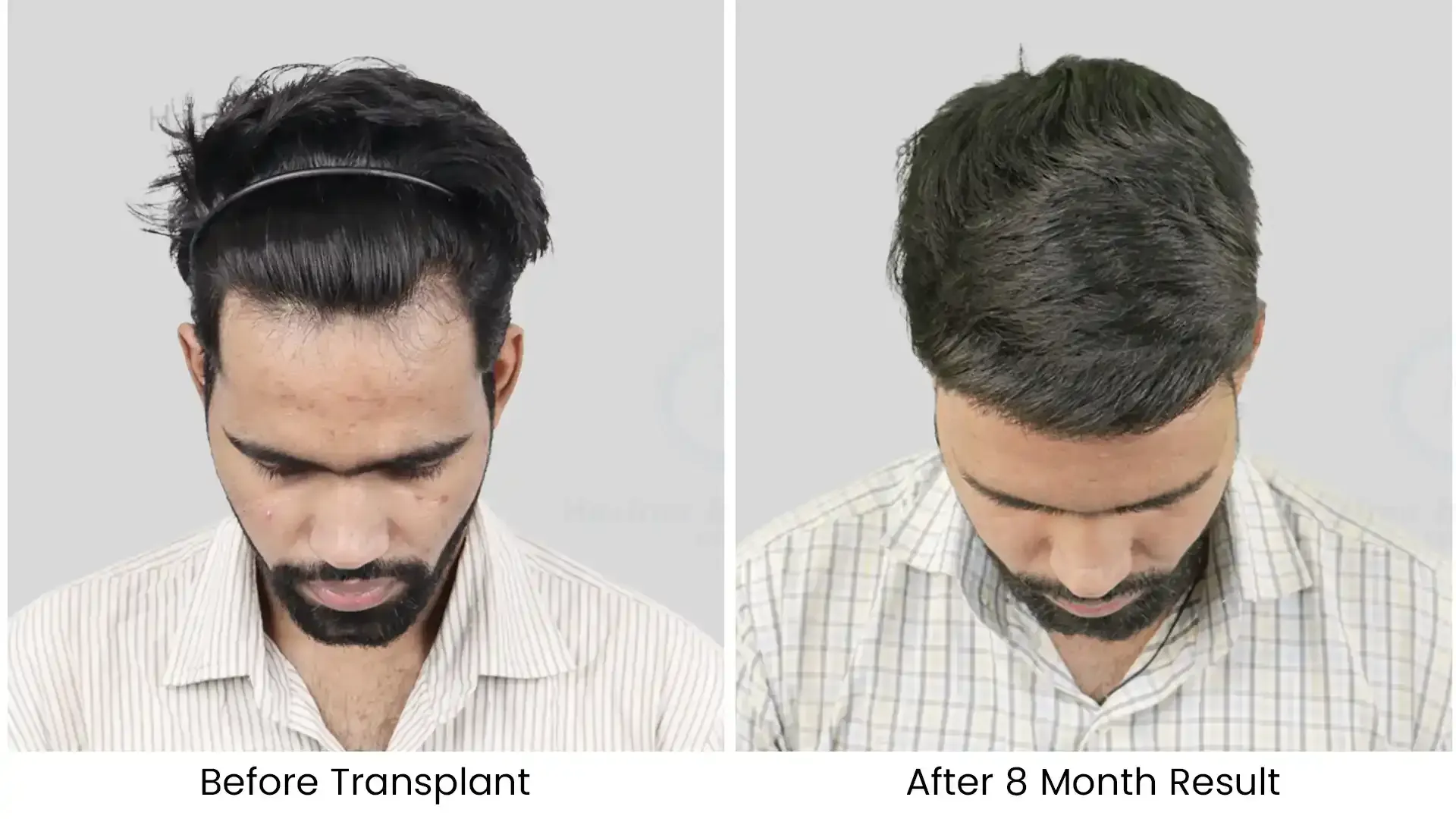
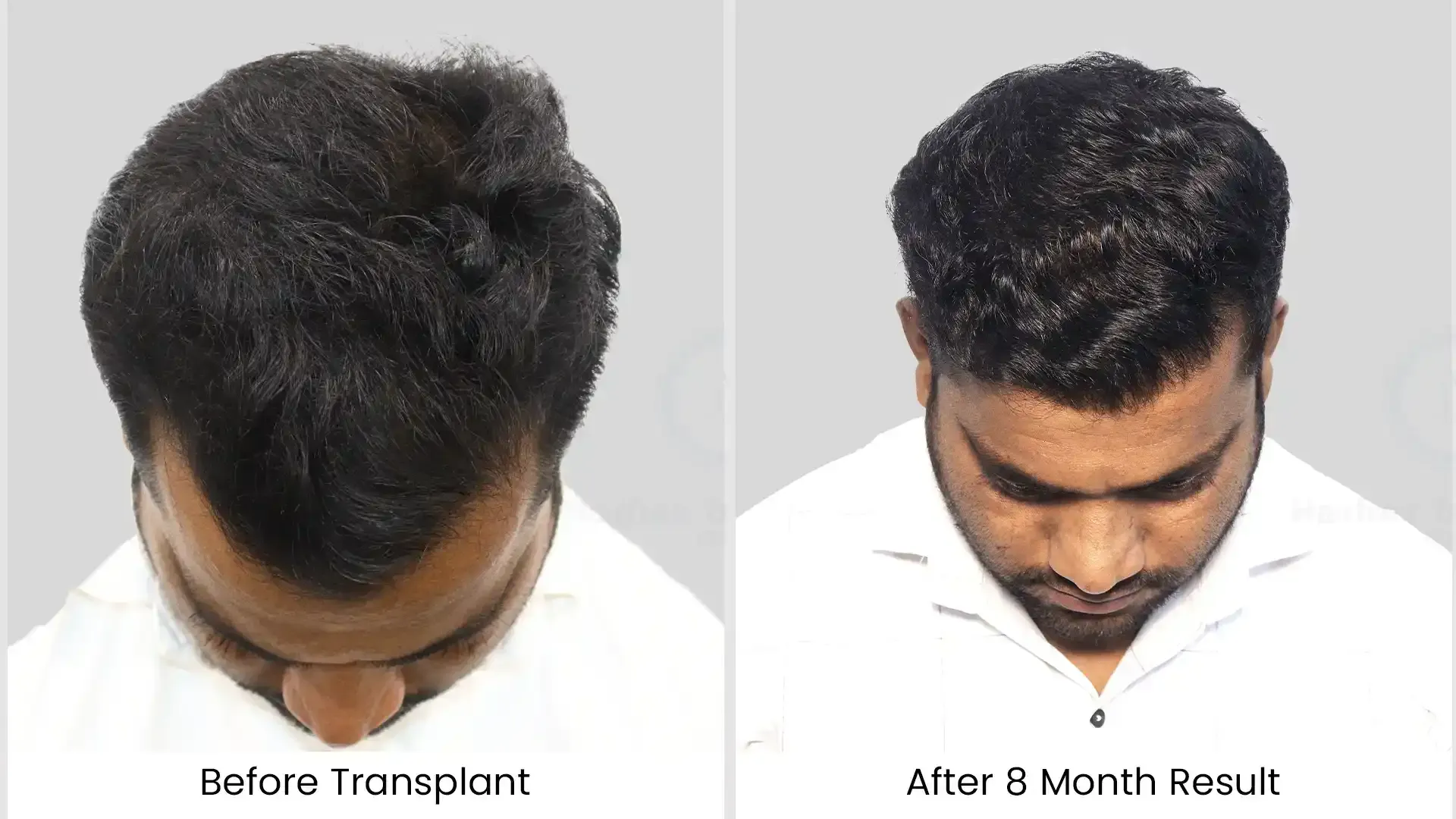
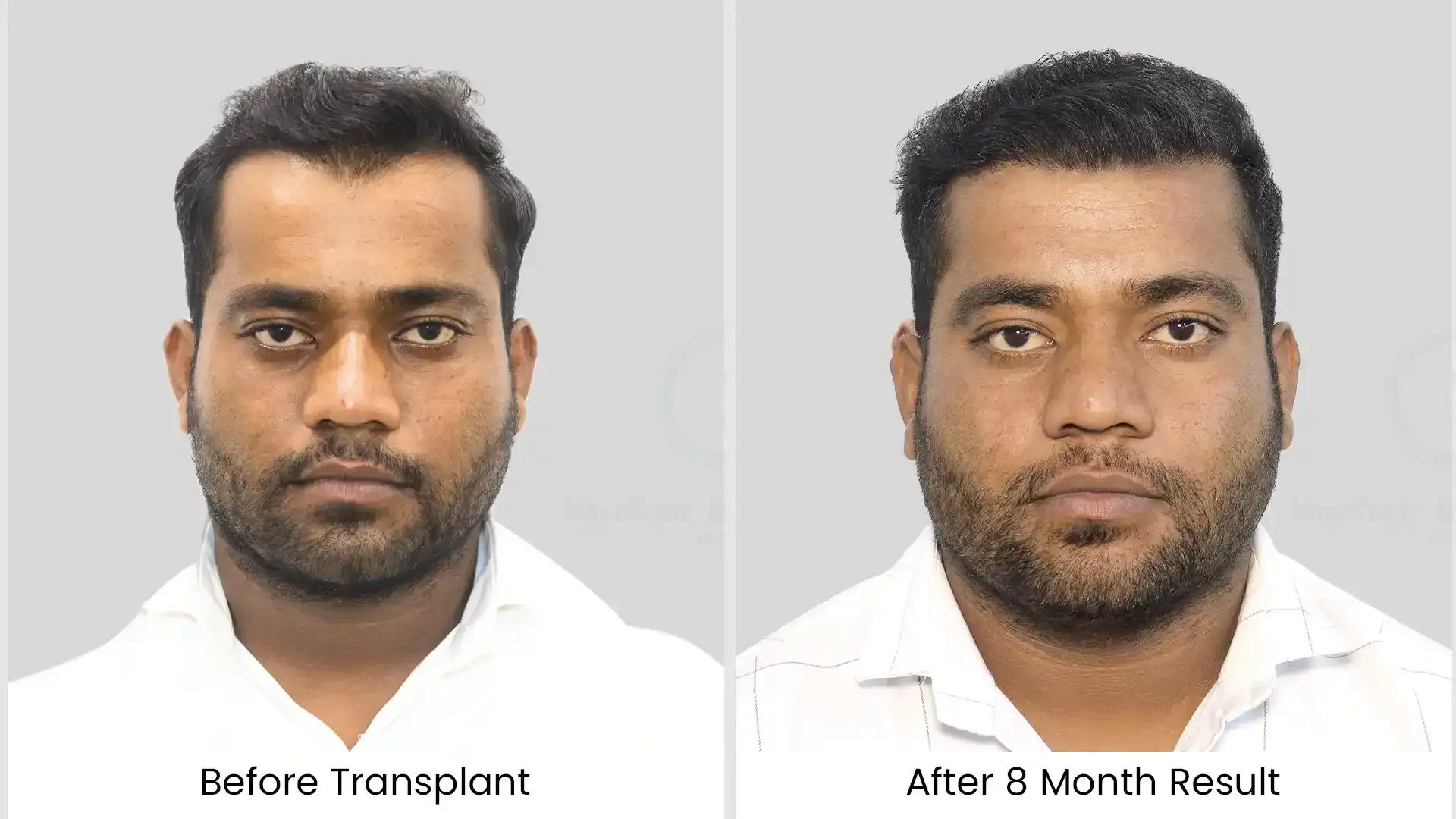
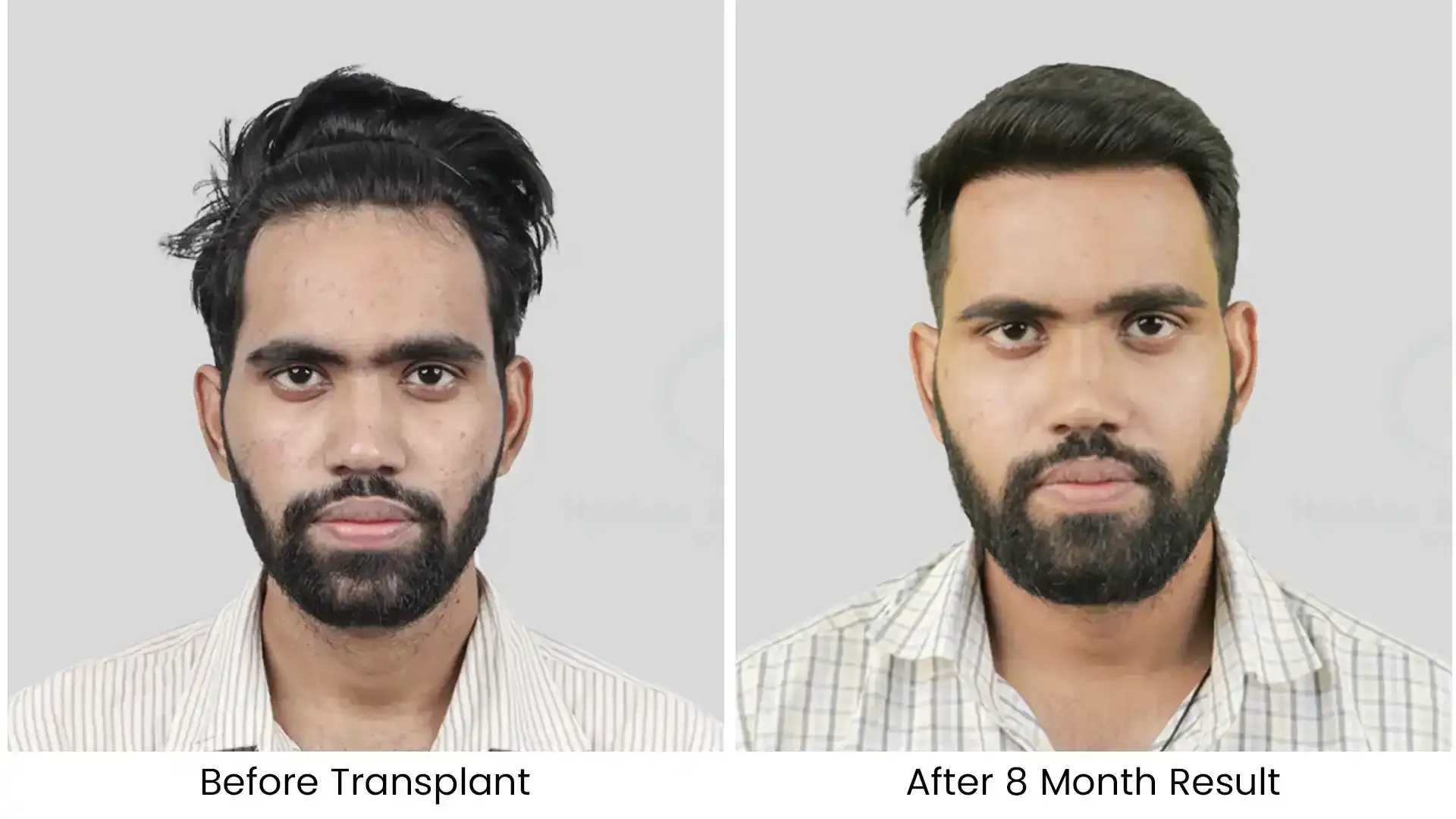
When someone says they had a 3000-graft hair transplant, it does not mean 3000 hairs. It usually means 5,000–6,500 hairs.
Experienced surgeons use:
- Single-hair grafts for a natural hairline
- Multi-hair grafts behind the hairline for density
This strategic placement creates a natural and dense look, not an artificial one.
Final Thoughts
To summarize:
- 1 hair graft usually contains 2 hairs
- Range: 1 to 4 hairs per graft
- Hair transplant results depend more on graft quality, planning, and technique than just numbers
Understanding grafts helps you set realistic expectations and make informed decisions about your hair transplant journey.
If you are planning a hair transplant, always consult an experienced surgeon who focuses on natural density and long-term results, not just big numbers.