
Many individuals experience gradual thinning or patchy loss, which often leads them to explore medical hair restoration treatment options. In India, a large number of adults face visible thinning much earlier than expected due to genetics, stress, lifestyle imbalance, and scalp disorders.
Clinics like Hairfree and Hairgrow see this pattern every day and provide structured solutions for hair restoration for men and women, ensuring results that match each patient’s stage of hair loss and overall scalp condition.
Understanding Why Hair Loss Has Become so Common
Hair loss affects people worldwide, but Indian men and women experience significant thinning due to genetics, rising stress, nutritional gaps, and hormonal factors.
Data highlights clear trends:
- Nearly two out of three adult men in India report visible thinning.
- Women commonly experience widening partings and reduced volume.
- Pattern baldness remains the leading cause of long-term loss.
- Hair procedures are now routine because patients want scientific solutions.
Hairfree and Hairgrow handle thousands of these cases every year, allowing treatment protocols to evolve according to real outcomes from Indian hair types.
Main Categories of Hair Restoration Treatment Today
Most modern plans include a combination of topical, injectable, device-based, and surgical choices. These fall under broad groups used when planning the best hair restoration methods.
Medical Topicals and Oral Medicines
Minoxidil is widely studied and continues to help many users slow shedding and enhance density. Certain oral medicines, given after proper screening, are used in regulated doses to stabilise active thinning. These remain core elements of a structured hair restoration treatment plan.
Injectable and Device-Based Therapies
PRP Therapy
In PRP hair restoration, platelet-rich plasma is injected into thinning areas to improve follicle nutrition and growth activity.
Laser Devices and Microneedling
Low-level laser devices and medical microneedling help improve scalp blood flow and strengthen miniaturised hair. These therapies work best as part of a long-term hair restoration treatment protocol.
Surgical Hair Restoration Options for Long-Term Coverage
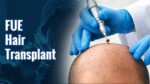
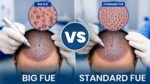
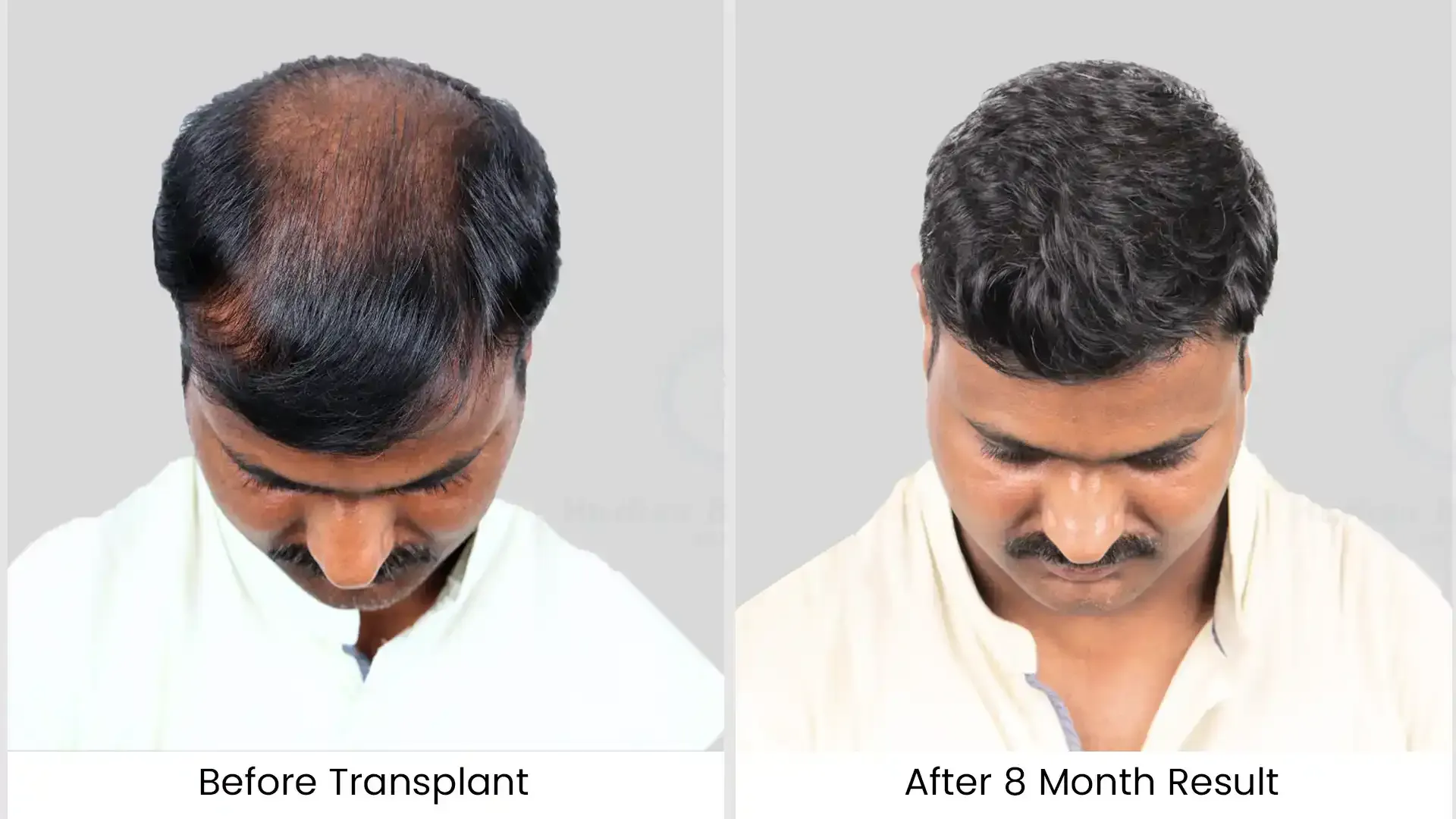
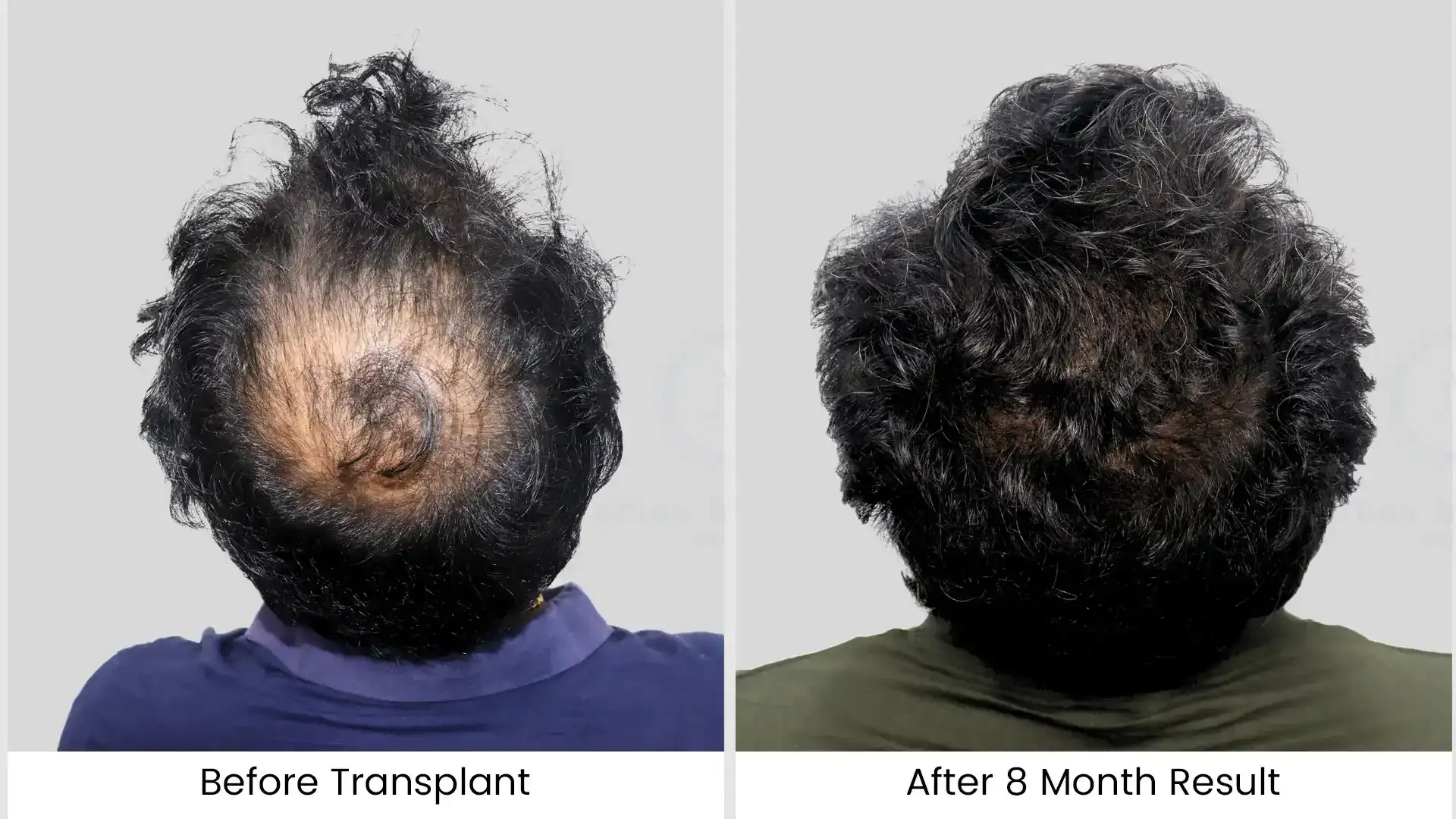
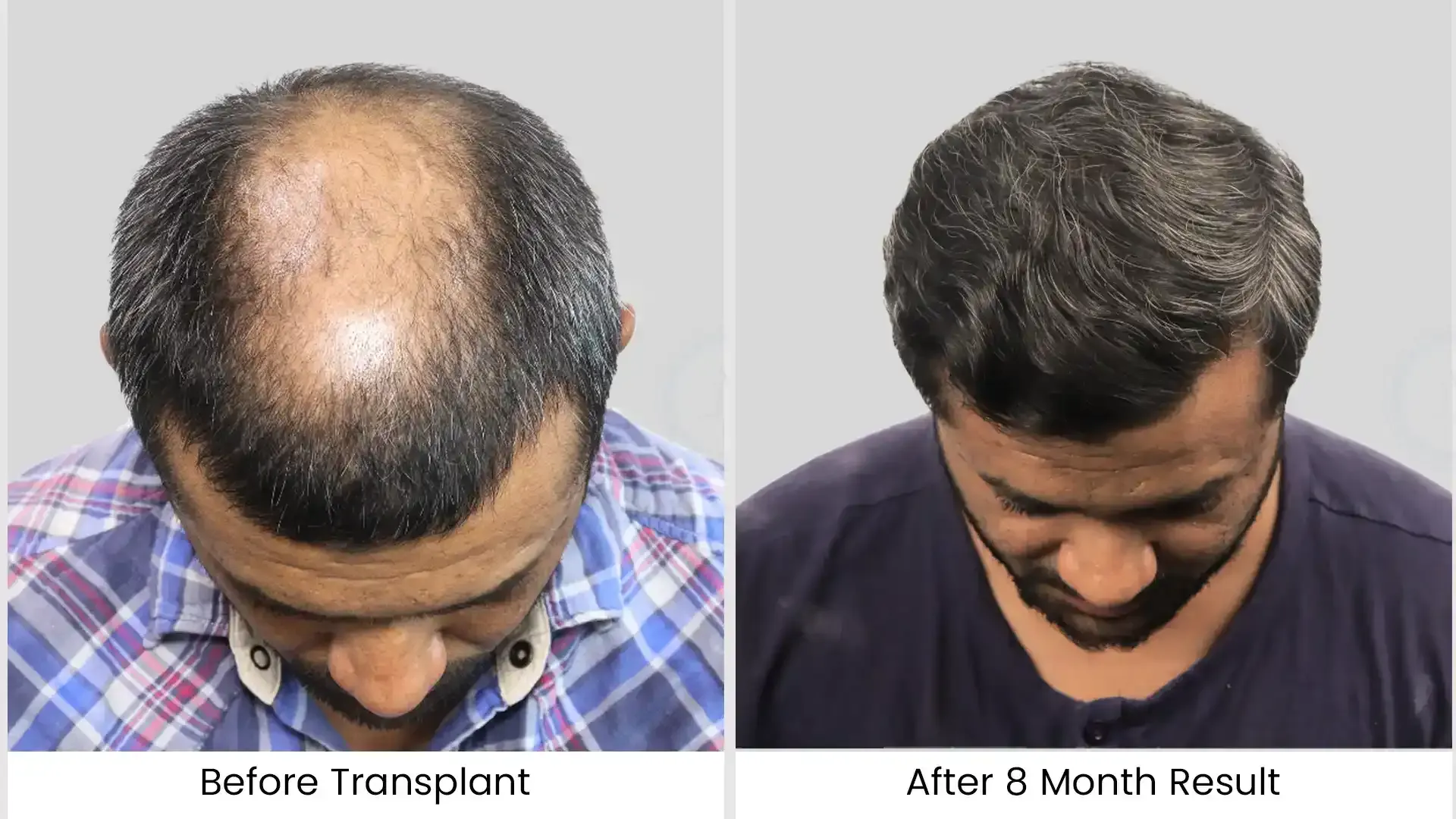
When thinning becomes advanced and follicles stop responding to medical therapy, surgical hair restoration offers the most reliable long-term solution. FUE is the preferred method because it harvests individual grafts from strong donor areas and implants them into thinning zones with precise angles and density.
This creates natural coverage that matches your face and age. Clinics like Hairfree and Hairgrow follow strict sterile protocols and careful graft handling to maintain high survival rates.
Transplanted hair begins growing gradually after the third month and continues improving for up to a year, giving long-lasting and natural-looking results.
Non-Surgical Approaches for Early-Stage Hair Loss
Patients who do not wish to undergo surgery often start with non-surgical hair restoration. This includes topicals, oral medicines, PRP, lasers, and scalp therapies, all aimed at improving follicle strength.
Supportive measures also play an important role. These include nutritional correction, stress management, and treatment for dandruff or inflammation. Some patients prefer adding safe, natural hair restoration remedies, although these mainly support scalp health and cannot replace medical therapy for genetic loss.
Who Benefits Most From a Hair Transplant
At advanced stages, thinning areas lack living follicles. When this happens, stimulation-based therapies cannot create new growth. Surgery becomes suitable if:
- Bald patches are clearly visible
- Donor density at the back and sides is strong
- Shedding has stabilised
- Patients require long-term coverage
Properly executed transplants create natural density and face-appropriate hairlines. Many patients treated at Hairfree and Hairgrow return later reporting that the change blends seamlessly with their natural hair.
Understanding Realistic Hair Restoration Cost
Many patients compare pricing before treatment. Understanding hair restoration cost helps them plan effectively.
Transplant Cost
India’s average cost: ₹60,000 to ₹1,50,000+ Pricing depends on graft count, technique, surgeon expertise, equipment quality, and city.
PRP Cost
Indian PRP sessions usually range between ₹4,500 and ₹10,500. Multiple sessions are recommended for measurable improvement.
Hairfree and Hairgrow avoids fixed treatment menus and instead uses personalised evaluations, helping patients follow phased plans without large upfront payments.

Why PRP Works for Many Patients
When performed correctly, PRP improves thickness, promotes better growth cycles, and reduces shedding. Many surgeons also use PRP during transplants to improve graft survival and healing.
Hairfree and Hairgrow adjust session frequency based on individual response, not a one-size-fits-all protocol. This helps ensure balanced results as part of your ongoing hair restoration treatment.
Role of Natural and Lifestyle Measures
Some natural measures support scalp quality, but they cannot reverse pattern baldness alone.
Helpful options include:
- Gentle oil massage for microcirculation
- Protein-rich and mineral-rich diets
- Stress reduction techniques
- Treatment of scalp infections and dandruff
These can complement your hair restoration treatment, but they have limits. Medical or surgical solutions are needed when genetic loss is advanced.
How Simple Hair Regrowth Treatment Fits Into A Long-Term Plan
A single hair regrowth treatment is rarely enough. Most successful outcomes follow a phased method:
- First, slow down active loss
- Then restore density where possible
- Use transplants where follicles cannot recover
- Maintain improvements through boosters or medical therapy
Hairfree and Hairgrow follow this structured plan so patients maintain stable results over ythe ears.
Conclusion
Choosing a clinic based only on online searches like hair restoration clinics near me is rarely enough. Long-term success requires accurate diagnosis, personalised plans, realistic expectations, and dependable follow-up.
Hairfree and Hairgrow provides all aspects of hair restoration treatment, from medical therapy to advanced surgical solutions, ensuring patients receive evidence-based care suitable for their stage of thinning. With the right approach, most individuals can significantly improve hair density and long-term scalp health.
FAQs
1. What is hair restoration treatment?
Hair restoration treatment includes medical, surgical, and non-surgical methods designed to stop hair loss, improve hair density, and restore natural-looking hair growth.
2. Who is the right candidate for hair restoration?
Anyone experiencing thinning, pattern baldness, receding hairlines, or patchy hair loss may qualify. A proper scalp and donor-area evaluation determines actual suitability.
3. Are hair restoration treatments permanent?
Medical treatments help maintain and improve hair, while surgical options like FUE or FUT offer long-lasting results. However, ongoing maintenance may still be needed depending on the cause of hair loss.
4. How long does it take to see results?
Medical treatments may take 3–6 months to show visible improvements, while transplant results become more noticeable between 6–12 months as new hair grows.
5. Do hair restoration treatments hurt?
Most treatments are comfortable. Procedures like FUE hair transplantation are performed under local anesthesia, ensuring minimal pain during the process.