
For fitness lovers, one of the first questions after a hair transplant is, “When can I go back to the gym?” Exercise is a big part of a healthy lifestyle, but after a medical procedure like a hair transplant, it’s important to understand the right timeline for resuming physical activity. Jumping into the gym too soon can disturb healing and affect the success of your hair restoration.
This guide will help you understand when and how to exercise after a hair transplant, with a special focus on the FUE hair transplant recovery timeline. We’ll also cover the do’s and don’ts of gym workouts, yoga, running, and weightlifting after surgery.
Why You Need to Pause Exercise After Hair Transplant
After a hair transplant, your scalp goes through a delicate healing phase. The new grafts need time to settle into place and receive proper blood supply. Exercising too soon can create problems such as:
- Increased blood pressure and circulation – leading to bleeding or loss of grafts.
- Excessive sweating – which can irritate the scalp and increase infection risk.
- Physical strain – heavy lifting or bending can stretch scalp tissues and affect healing.
That’s why most surgeons recommend taking a short break from the gym after surgery. Let’s look at the timeline in detail.
Can You Exercise After a Hair Transplant?
Key Considerations for Exercising After Hair Transplant
- Avoid Excessive Sweating: Sweat can irritate the scalp and increase the risk of infection in the early stages of recovery.
- Minimize Scalp Pressure: Activities like heavy lifting or bending over can increase blood pressure in the scalp, potentially causing bleeding or graft displacement.
- Follow Surgeon’s Advice: Every patient heals differently, so personalized guidance from your surgeon is crucial.
- Gradual Progression: Start with low-impact exercises and slowly increase intensity as your scalp heals.
When Can You Resume Exercise After a Hair Transplant?
The timeline for resuming exercise depends on the type of hair transplant (e.g., FUE or FUT), the extent of the procedure, and your individual healing rate. Below is a general timeline for returning to physical activities:
First Week Post-Transplant
During the first week, the focus is on protecting the newly transplanted grafts. Avoid any form of exercise, including light activities, to minimize the risk of complications. Even slight increases in blood pressure or sweating can affect the grafts. Instead, prioritize rest and follow your surgeon’s hair transplant aftercare instructions, such as keeping the scalp clean and avoiding direct sunlight.

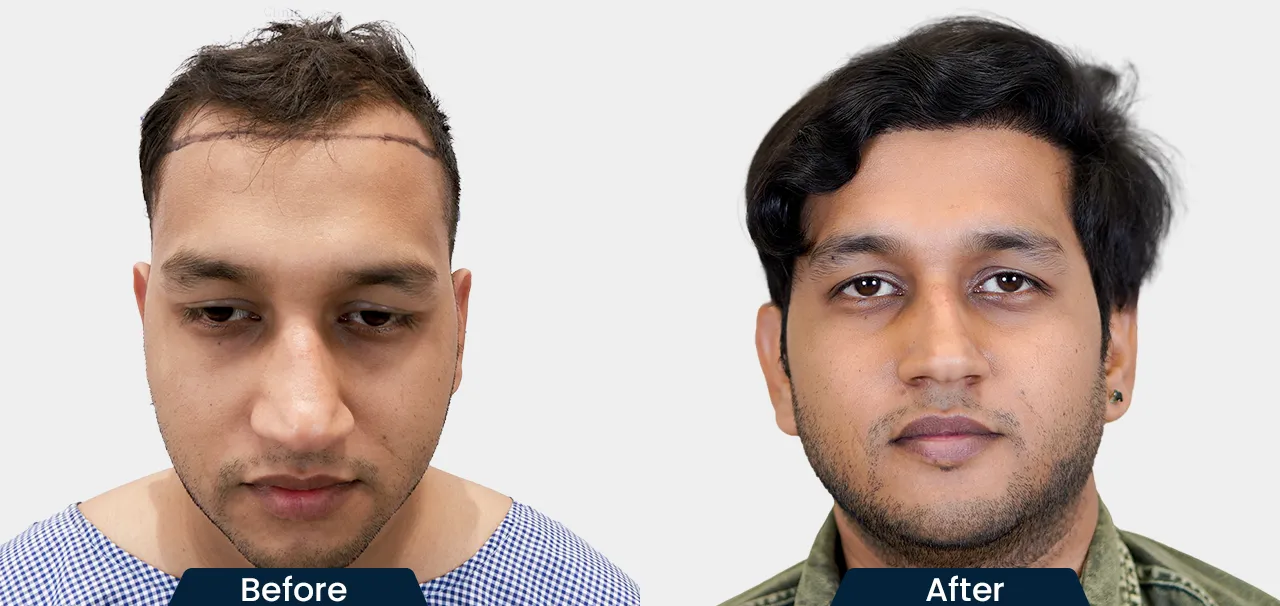
2–4 Weeks Post-Transplant
After the first week, you can gradually introduce low-impact activities. Here’s a breakdown of when to resume specific exercises:
- Walking: Light walking can typically resume within 3–5 days, as it promotes circulation without straining the scalp. Start with short, leisurely walks and avoid excessive sweating.
- Running: Most surgeons recommend waiting at least 2–3 weeks before resuming running. Begin with light jogging and monitor your scalp for discomfort or swelling.
- Yoga: Gentle yoga, avoiding poses that involve bending forward or putting pressure on the scalp, can often start around 2 weeks. Consult your surgeon for specific poses to avoid.
- Weightlifting: Heavy lifting should be avoided for at least 3–4 weeks, as it increases scalp pressure and blood flow, which can dislodge grafts. Start with light weights and progress gradually.
1 Month and Beyond
How to Exercise Safely After a Hair Transplant
To ensure a smooth FUE hair transplant recovery, follow these tips for exercising safely:
- Start Slow: Begin with low-impact activities like walking or gentle stretching to promote circulation without stressing the scalp.
- Stay Hydrated: Proper hydration supports overall recovery and keeps your scalp healthy.
- Avoid Overheating: Exercise in cool environments to minimize sweating, and wear breathable headwear if necessary (consult your surgeon first).
- Monitor Your Scalp: Check for signs of irritation, swelling, or discomfort after exercising. If you notice anything unusual, pause your routine and consult your surgeon.
- Follow a Balanced Diet: A nutrient-rich diet supports healing and hair growth. Include foods high in protein, vitamins (like Biotin and Vitamin E), and minerals like zinc.
How Exercise Impacts Hair Growth
Exercise plays a vital role in promoting hair growth after a transplant by enhancing overall health. Here’s how it helps:
- Improved Blood Circulation: Physical activity increases blood flow, delivering essential nutrients and oxygen to the scalp, which supports the growth of transplanted follicles.
- Stress Reduction: Exercise lowers cortisol levels, a stress hormone that can negatively affect hair growth. A balanced hormonal environment fosters better graft integration.
- Immune System Support: Regular exercise strengthens the immune system, aiding the body’s ability to heal and prevent infections post-transplant.
However, overexertion can have the opposite effect. Intense workouts too soon after surgery can lead to increased scalp tension, bleeding, or graft dislodgement, all of which can compromise hair transplant results.
Pre-Operative Preparation for a Smooth Recovery
Proper preparation before your hair transplant sets the stage for a successful recovery. Here are some pre-operative tips:
- Stop Strenuous Exercise: Avoid intense workouts at least one week before surgery to reduce blood flow and minimize bleeding risks during the procedure.
- Avoid Blood Thinners: Refrain from alcohol, smoking, or medications like aspirin that can thin the blood, as they increase the risk of bleeding.
- Consult Your Surgeon: Discuss your fitness routine with your surgeon to understand any specific restrictions based on your procedure.
Post-Operative Care for Optimal Results
Adhering to hair transplant aftercare guidelines is critical for protecting grafts and promoting healing. Key aftercare tips include:
- Keep the scalp clean and follow your surgeon’s washing instructions.
- Avoid touching or scratching the transplanted area.
- Sleep with your head elevated to reduce swelling.
- Avoid direct sunlight and wear a loose-fitting hat (if approved by your surgeon) when outdoors.
Maintaining Fitness Without Compromising Recovery
If you’re unable to hit the gym during the initial recovery period, there are alternative ways to stay active:
- Morning Walks: A daily walk promotes circulation and keeps you active without straining the scalp.
- Stretching Routines: Gentle stretching improves flexibility and reduces stress without risking graft stability.
- Diet Control: Focus on a balanced diet to maintain your weight and support overall health during recovery.
Conclusion
Resuming exercise after a hair transplant requires patience and careful planning to protect your investment in a fuller head of hair. By following your surgeon’s guidelines, starting with low-impact activities, and gradually increasing intensity, you can safely return to your fitness routine while supporting the FUE hair transplant recovery timeline. Regular exercise, when timed correctly, enhances blood flow, reduces stress, and promotes hair growth, helping you achieve the best possible hair transplant results. Always consult your surgeon for personalized advice, and prioritize scalp health to ensure a smooth recovery and long-lasting outcomes.
FAQs About Exercising After a Hair Transplant
1. When Can I Start Running After a Hair Transplant?
Running can typically resume 2–3 weeks after surgery, depending on your healing progress. Start with light jogging and avoid high-intensity sprints until at least one month post-transplant.
2. When Can I Start Walking After a Hair Transplant?
Light walking can often begin within 3–5 days, as it’s a low-impact activity that supports circulation without risking graft stability.
3. When Can I Start Lifting Weights After a Hair Transplant?
Wait at least 3–4 weeks before resuming weightlifting. Begin with light weights and avoid exercises that strain the scalp, such as heavy overhead presses.
4. Can I Do Yoga After a Hair Transplant?
Gentle yoga can typically start after 2 weeks, but avoid poses that involve bending forward or inverting the body, as these can increase scalp pressure.
5. Can I Go to the Gym After a Hair Transplant?
You can return to the gym after about 2–4 weeks, starting with light exercises and gradually increasing intensity. Avoid heavy lifting or activities that cause excessive sweating until your surgeon clears you.